Choosing the right server software executable (JAR) is the single most critical decision in determining your Minecraft server's tick stability, resource footprint, and player capacity. Running default Vanilla software for a public community or large group of friends quickly leads to choked tick loops, dropping your Ticks Per Second (TPS) far below the optimal 20.0 benchmark.
To maximize performance, server administrators rely on Custom JARs—specialized engine forks engineered to optimize chunk handling, eliminate exploits, and unlock extensive mod or plugin ecosystems. Among the dozens of options available, three names dominate modern deployments: Paper, Fabric, and Mohist (or hybrid alternatives like Arclight/Purpur).
Whether you are launching a competitive public SMP, a modded survival co-op, or scaling an expansive network on a high-speed platform like CloudLaag, understanding the differences between Fabric vs Mohist vs Paper will help you pick the ideal engine for hosting in India.
Paper is a high-performance fork of Spigot designed specifically for plugin-based survival and multiplayer networks.
Fabric is a lightweight, modular modding toolchain that has become the preferred alternative to heavy legacy Forge setups.
Mohist is a hybrid server software designed to run both Forge mods and Spigot/Paper plugins simultaneously on the same server instance.
| Operational Metric | Paper (or Purpur) | Fabric (with Lithium) | Mohist (Forge + Bukkit) |
|---|---|---|---|
| Primary Architecture | High-Performance Plugin Engine | Lightweight Modular Mod Loader | Hybrid Mod & Plugin Bridge |
| Plugin Compatibility | 100% Bukkit/Spigot/Paper | None (Mod-based alternatives) | High (Forge Mods + Bukkit Plugins) |
| Mod Support | None (Plugins only) | Fabric Mods Only | Forge Mods Only |
| Vanilla Parity (Redstone) | Slightly altered for optimization | 100% Vanilla Behavior Preserved | Dependent on mod interactions |
| Memory & CPU Efficiency | Extremely Optimized (Highest TPS) | Highly Efficient & Low Overhead | Moderate (Heavier resource draw) |
| Stability Under High Load | Rock-Solid for 50+ Players | Excellent for 10–25 Players | Requires careful plugin testing |
When hosting in India, your engine choice must align with your hardware allocation and the expectations of your player base:
You want a public SMP, minigame server, or community hub with zero lag. Because Paper optimizes chunk streaming and entity calculations so aggressively, it runs smoothly on standard compute limits while maintaining a stable 20.0 TPS even during heavy player rushes.
You and your friends want to play technical survival with custom client mods or modern lightweight modpacks without altering redstone physics. By adding server-side optimization mods like Lithium and Krypton, Fabric provides top-tier network packet compression that pairs cleanly with domestic Indian internet routing.
Your project demands heavy Forge modpacks where staff still need administrative plugins like LuckPerms, Essentials, or Vault. Just be sure to allocate additional RAM headroom to account for simultaneous mod and plugin event loops.
Regardless of which server JAR you select, software optimization cannot compensate for weak single-thread CPU performance or slow storage drives.
Deploying your server through specialized Minecraft hosting or an isolated VPS hosting environment on CloudLaag gives you full access to enterprise AMD Ryzen 9 5900X and AMD EPYC processors paired with enterprise NVMe SSD storage arrays as a standard baseline. This hardware setup ensures that whether you run Paper's async chunk threads, Fabric's light engine, or Mohist's dual-stack event loops, disk read/writes execute instantly without world-save stutters.
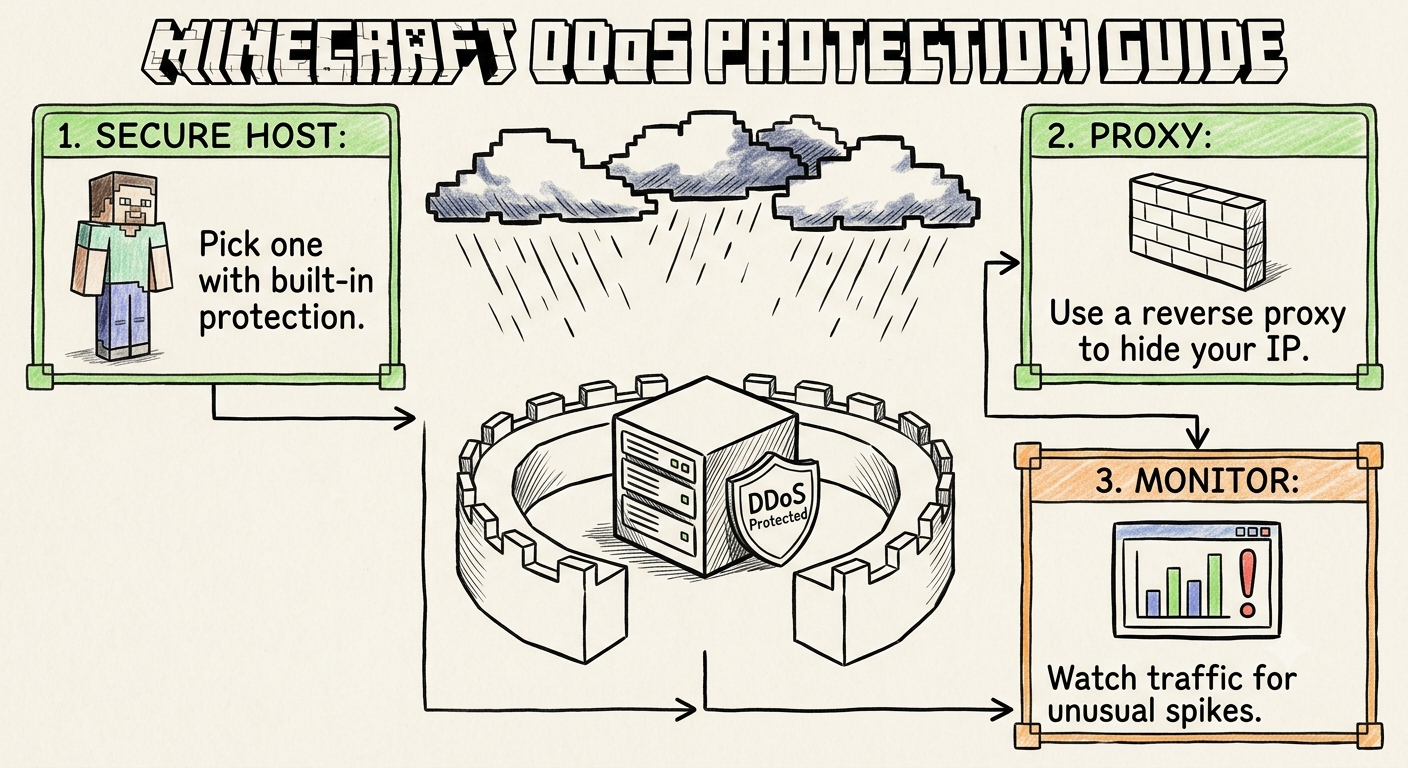
Every server hosted under the CloudLaag network is connected through low-latency transit routes delivering sub-40ms ping across major Indian cities. Furthermore, your server is shielded by automated that scrubs malicious bot floods at the edge network layer, keeping your CPU lines completely free for tick logic loops.
If your network expands to include community management tools, you can easily pair your game node with companion applications on or parallel survival worlds on under the same centralized ecosystem.
- Optimize Your JVM Startup Flags: Always launch your custom JAR using Aikar's Flags to ensure clean Java garbage collection and prevent micro-stutters during memory clearing cycles.
- Review Official Engineering Guides: System administrators can study exact configuration steps, file trees, and security rules inside official CloudLaag technical docs and developer wikis.
- Stay Updated on Engine Performance: Keep track of new Minecraft releases, performance forks, and server optimization scripts by checking out technical guides on the CloudLaag network blog page.
There is no universal winner among custom JARs; the best choice depends on what your gameplay requires: