When deploying a web application, production database, or real-time game network in India, choosing the right geographic location for your server is just as critical as selecting the right hardware specifications. Because latency directly affects user experience, Time to First Byte (TTFB), and game responsiveness, your physical datacenter hub dictates performance for users across the subcontinent.
In the Indian infrastructure landscape, Mumbai and Delhi (Delhi-NCR / Noida) represent the two primary datacenter epicenters. While both hubs offer enterprise-grade power redundancy and high-speed network routes, they serve distinctly different routing purposes.
Whether you are configuring community nodes or deploying scalable infrastructure on a high-speed platform like CloudLaag, understanding the differences between Mumbai server hosting vs Delhi server hosting ensures you achieve the lowest possible ping and highest uptime for your users.
The most fundamental architectural difference between Mumbai and Delhi lies in their proximity to international submarine cable landing stations (CLS).
Mumbai is the primary submarine cable landing hub for India, handling the majority of the nation’s international data traffic. International subsea fiber cables connecting India to the Middle East, Europe, Southeast Asia, and Africa land directly on Mumbai’s coastline. Because the international transit layer terminates directly in Mumbai, hosting your infrastructure here eliminates domestic backhaul hops for overseas requests. If your audience includes international visitors alongside Indian users, Mumbai delivers lower international round-trip latency.
Delhi-NCR is a landlocked northern hub. All international traffic reaching a Delhi-based server must travel through domestic fiber lines down to coastal landing points (like Mumbai or Chennai) before routing overseas. While modern national long-distance (NLD) fiber networks are fast, this physical distance adds an unavoidable 15ms to 25ms round-trip latency to international connections.
Internet Exchange Points (such as NIXI, Extreme IX, and DE-CIX India) allow Internet Service Providers (ISPs) to exchange traffic locally without routing across external networks. Both cities feature dense IXP ecosystems, but their domestic routing footprint differs based on target geography.
| User Region | Mumbai Datacenter Ping | Delhi Datacenter Ping |
|---|---|---|
| Western India (Mumbai, Pune, Ahmedabad) | 2ms – 10ms | 20ms – 30ms |
| Southern India (Bengaluru, Hyderabad, Chennai) | 15ms – 25ms | 30ms – 45ms |
| Northern India (Delhi-NCR, Punjab, UP, Jaipur) | 20ms – 30ms | 2ms – 10ms |
| Eastern India (Kolkata, Bihar, North-East) | 30ms – 45ms | 20ms – 35ms |
| International (Middle East & Europe) | 30ms – 110ms | 50ms – 135ms |
| Infrastructure Metric | Mumbai Server Hosting | Delhi-NCR Server Hosting |
|---|---|---|
| Subsea Cable Proximity | Direct Coastal Landing Hubs | Dependent on Domestic Terrestrial Fiber |
| Pan-India Latency Average | Optimal (~15ms to 35ms nationally) | Strong in North/East, Higher in South |
| Financial & Fintech Ecosystem | Direct proximity to BSE, NSE, & Banking hubs | Proximity to Government & Enterprise sectors |
| Gaming & Real-Time Performance | Preferred for balanced nationwide matchmaking | Best for North-focused competitive clusters |
| Datacenter Density & Options | Highest density in South Asia (700+ MW capacity) | Growing hub centered in Noida/Gurugram |
Regardless of your chosen region, server performance relies heavily on unthrottled hardware execution, intelligent routing, and clean network paths.
When deploying high-performance virtual infrastructure on CloudLaag, you gain access to isolated VPS hosting built on enterprise AMD EPYC and high-frequency Ryzen processors, unthrottled memory pools, and direct NVMe SSD storage arrays.
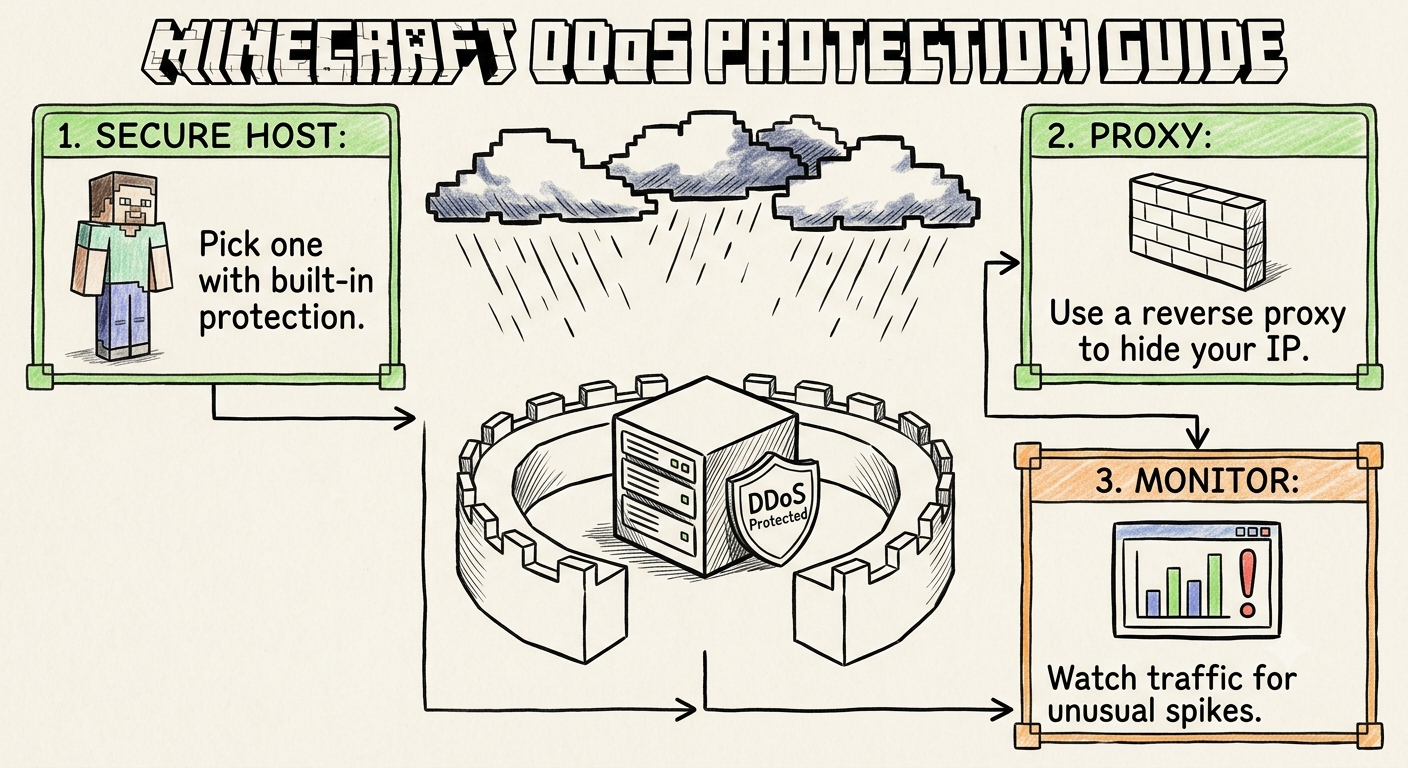
Every virtual instance managed under CloudLaag is connected via high-capacity routing pipelines optimized for sub-40ms connectivity across major Indian internet exchanges. Furthermore, your applications remain shielded by automated Always-On DDoS Protection. Protocol-aware edge scrubbers absorb volumetric floods before they ever reach your virtual machine, ensuring your services stay fast and responsive round-the-clock.
- Test Latency to Your End Users: Before deploying large production instances, run ping and traceroute tests from your primary target cities to verify routing paths.
- Review Infrastructure Tutorials: System administrators can explore verified Linux setup workflows, port routing configurations, and security rules inside official CloudLaag technical docs and developer wikis.
- Follow Network and Cloud Insights: Stay updated on datacenter expansions, transit optimization, and server tuning by reading technical guides on the CloudLaag network blog page.
Choosing between Mumbai and Delhi hosting comes down to your audience distribution. Delhi provides ultra-fast responsiveness for North India-centric workloads, while Mumbai remains the gold standard for pan-India stability, international traffic handling, and real-time game hosting due to its coastal subsea cable landings and dense peering infrastructure.
By deploying your workloads within an isolated, high-performance VPS hosting pipeline on CloudLaag, you secure enterprise hardware power, low-latency transit routing, and continuous edge DDoS protection to keep your digital services running smoothly.
Recommended for this article
Monday, July 13, 2026