Choosing the right web hosting architecture is one of the most critical decisions for any developer, business owner, or community administrator in India. With the digital landscape expanding rapidly in 2026, relying on underpowered hosting can lead to slow loading times, frequent downtime, and vulnerable setups.
When looking at hosting infrastructure, the primary dilemma most users face is choosing between Shared Hosting and a Virtual Private Server (VPS).
If you are deploying projects on a localized network like CloudLaag, understanding the structural differences between these two environments will help you optimize your budgets and technical performance. This guide breaks down the architecture, pros, cons, and performance metrics of Shared vs VPS hosting in India.
Shared hosting is the digital equivalent of living in an apartment complex. All residents share the exact same resources, such as the water supply, elevator, and common areas.
In a shared environment, hundreds of websites or small applications are hosted on a single physical server. They all draw power from the same CPU pool, RAM, and network port.
If one website on the shared server experiences a massive traffic spike or runs a poorly optimized script, it will consume all the available server RAM. As a result, every other website on that same machine will instantly slow down or crash.
A Virtual Private Server (VPS) is the equivalent of owning a private condo in a secure gated community. While you still share the structural building framework, your living space, utilities, and resources belong entirely to you.
Using advanced virtualization technology (like KVM), a single physical server is split into isolated, independent virtual environments. When you purchase an enterprise VPS node, your assigned CPU cores, RAM, and NVMe SSD storage are 100% dedicated to you and cannot be used by anyone else.
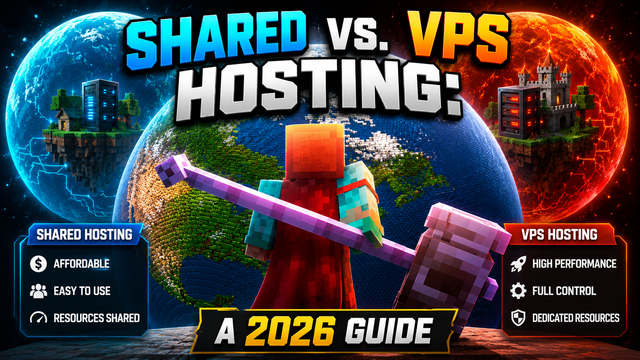
| Feature Specification | Shared Hosting | VPS Hosting (e.g., CloudLaag) | | Resource Allocation | Shared dynamically with hundreds of users | 100% Dedicated and isolated per container | | Root Access / Control | Restricted to basic folder directories | Full Root Access (SSH, Custom OS installation) | | Impact of Bad Neighbors | High risk of slowdowns and resource choking | Zero impact. Total hardware isolation | | Ideal For | Basic blogs, simple HTML/CSS pages | Databases, complex web apps, Minecraft networks | | Security Infrastructure | Basic, generic web server firewalls | Advanced, independent firewall configuration |
If you are planning to run dynamic applications, high-traffic databases, or multiplayer game nodes, shared hosting is structurally incapable of handling the load.
For instance, hosting a multiplayer community on a standard shared server will result in instant engine failure due to single-threaded CPU limitations. Deploying on a specialized Minecraft or general-purpose VPS gives you the precise processing environment required to maintain structural stability, low ping, and zero lag.
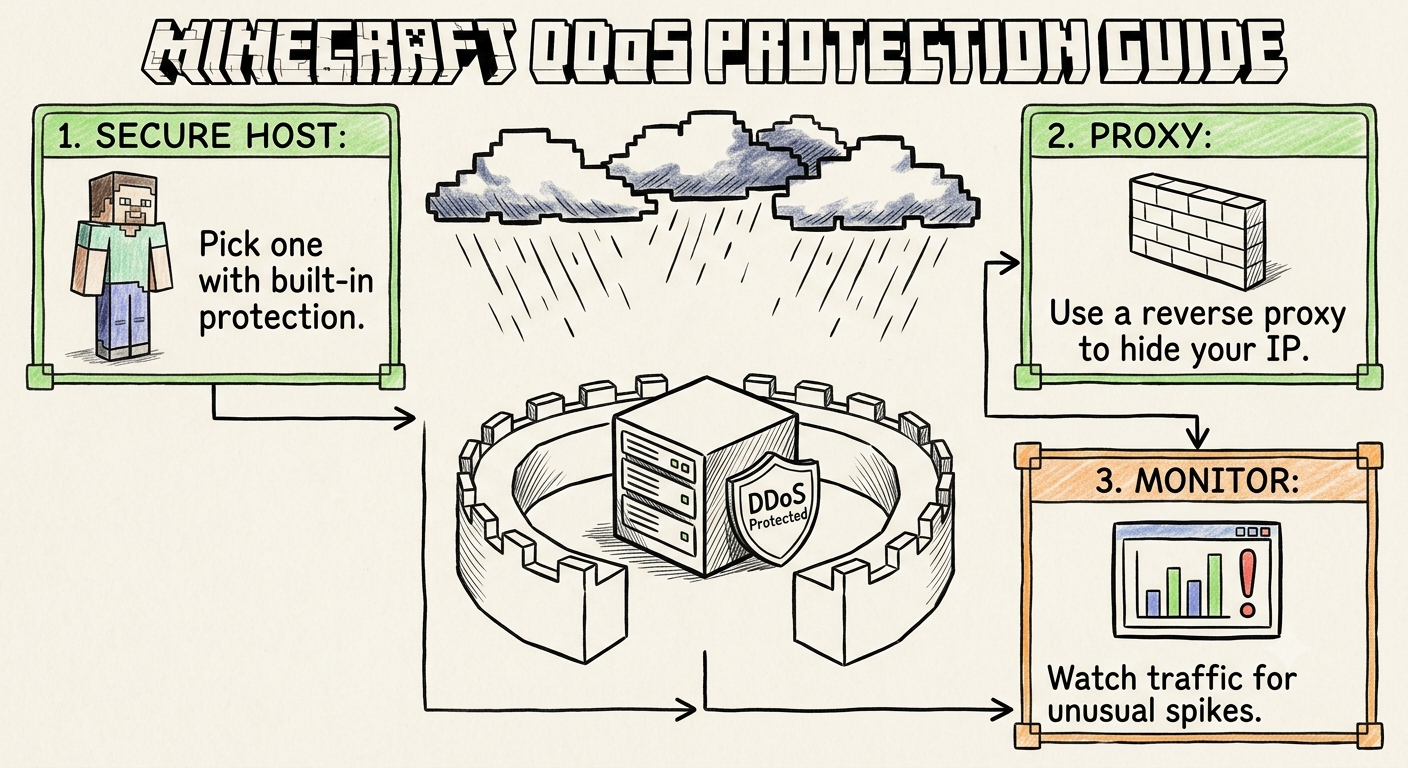
Furthermore, premium virtual nodes deployed via platforms like CloudLaag come equipped with dedicated mitigation protocols. While a shared hosting server would be immediately blackholed during a network flood to protect the other tenants, an isolated virtual server backed by intelligent scrubbing pipelines filters out malicious traffic smoothly without affecting your application uptime.
Before purchasing your hosting package, evaluate your technical needs using these quick questions:
While shared hosting remains a valid entry point for beginners learning the ropes of web development, it falls short when your project requires reliability, absolute security, and scale.
For modern creators, developers, and community managers in India, investing in an isolated, high-performance VPS ensures that your platforms remain lightning-fast, highly secure, and fully capable of handling user spikes. Choosing local, robust infrastructure networks like CloudLaag bridges the gap perfectly, giving you enterprise-tier isolation and localized low-latency routing at highly competitive Indian price points.
Recommended for this article
Monday, July 13, 2026