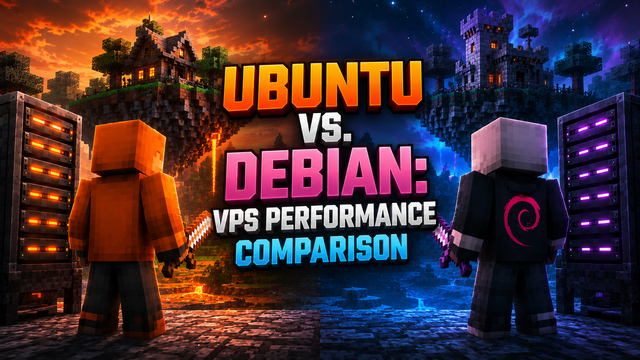
When deploying a new virtual environment, selecting the right Linux distribution is the very first technical hurdle you will face. Your operating system forms the foundation of your server's efficiency, security lifecycle, and software compatibility.
In the enterprise hosting space, two distributions dominate the market: Ubuntu and Debian. Since Ubuntu is actually built on the architecture of Debian, they share a massive amount of DNA, yet their management philosophies, update cycles, and resource behaviors are completely different.
Whether you are launching a high-capacity business application or setting up an isolated VPS node on an Indian cloud network like CloudLaag, this architectural comparison will guide you toward the right operating system choice.
Ubuntu (specifically Ubuntu Server LTS) is managed by Canonical. Its philosophy centers around ease of deployment, developer accessibility, and offering the latest stable software frameworks as quickly as possible.
Canonical releases an LTS (Long-Term Support) version every two years, which receives guaranteed enterprise security patches and support for five full years.
| Operational Metric | Debian GNU/Linux | Ubuntu Server (LTS) | | System Stability | Exceptional. Maximum uptime focus. | High. Tailored for production servers. | | Software Packages | Older, highly tested versions. | Modern, up-to-date iterations. | | Resource Footprint | Ultra-lightweight (Lower RAM usage). | Slightly higher baseline overhead. | | Ease of Troubleshooting | Requires solid Linux systems experience. | Beginner-friendly with vast community fixes. | | Default Security | Very strict access policies. | Balanced access control with modern tooling. |
Your choice between these two operating systems should depend directly on the goals of your active project:
You are looking to host database servers, web infrastructure with static workloads, or heavy production servers where zero configuration drift is mandatory. Its minimal resource consumption makes it highly efficient for squeezing extra performance out of smaller virtual structures.
You are deploying complex application pools, modern container networks (like Docker and Kubernetes), or popular multiplayer projects like a Minecraft cluster. Many specialized tools require the newer system packages and libraries that Ubuntu includes out of the box, saving your development team hours of manual package compiling.
Note: CloudLaag utilizes OVH infrastructure for its VPS services, rather than proprietary infrastructure.
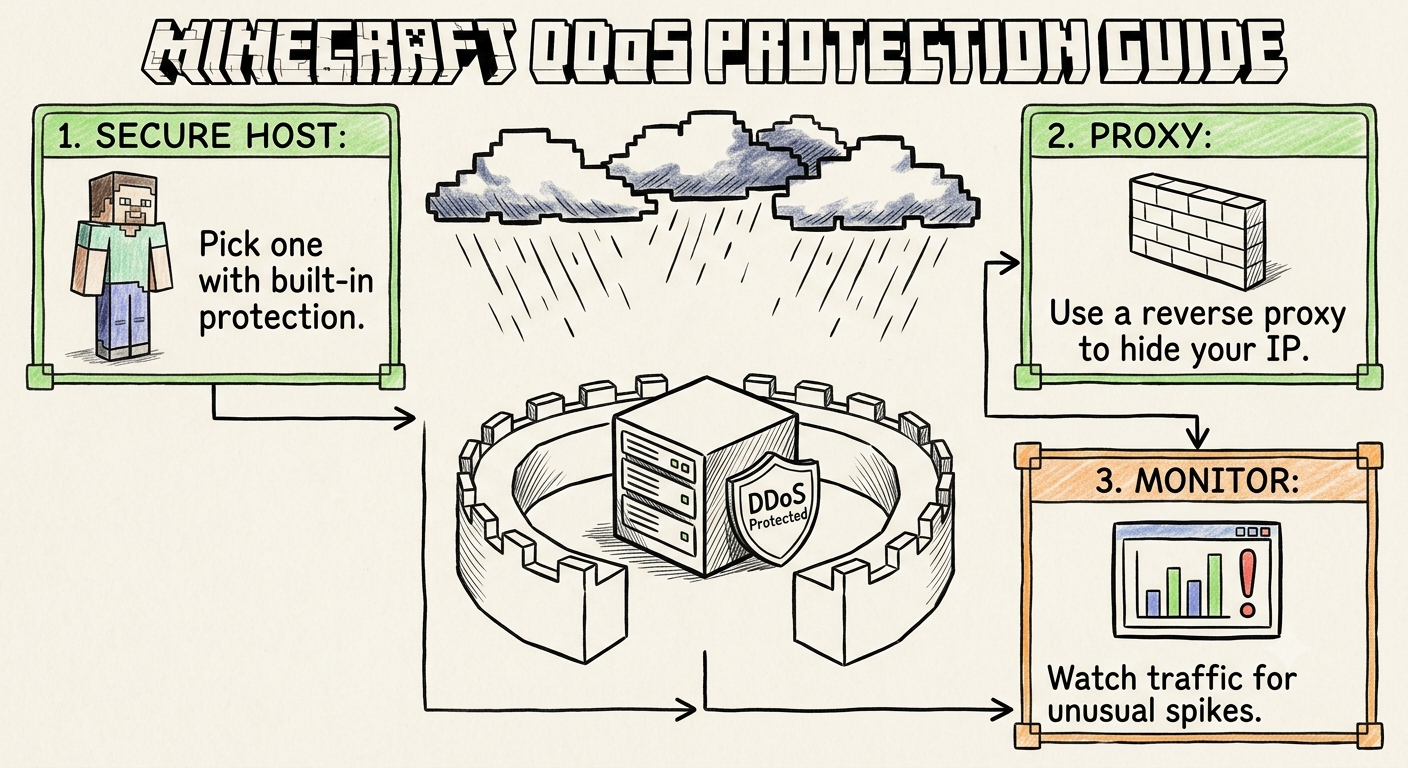
No matter which distribution you deploy, running your infrastructure on premium virtual servers backed by platforms like CloudLaag guarantees that your virtual machine runs on high-speed NVMe storage. Furthermore, you gain access to an Always-On network infrastructure that filters out massive external DDoS attacks automatically, keeping both your Ubuntu and Debian nodes continuously online.
Both Ubuntu and Debian are world-class server operating systems. Debian remains the ultimate choice for system administrators who value ultra-low resource usage, total system predictability, and absolute rock-solid stability. On the other hand, Ubuntu wins when it comes to rapid deployments, out-of-the-box compatibility with the latest software libraries, and ease of troubleshooting.
Deploying these operating systems on an isolated, premium VPS structure ensures that you receive full root access, dedicated resource isolation, and the low-latency networking paths across India needed to keep your operations executing at maximum efficiency.
Recommended for this article
Monday, July 13, 2026