When evaluating infrastructure for a database, web application, or multiplayer community network, performance metrics are almost always judged by CPU core speeds and total RAM capacity. While these two components handle active processing tasks, there is a third, often overlooked foundation that can make or break your deployment: the storage architecture.
Traditional servers often rely on older storage standards that bottle up execution cycles, causing applications to stall while waiting to read or write data. Upgrading to a modern storage environment changes this paradigm completely.
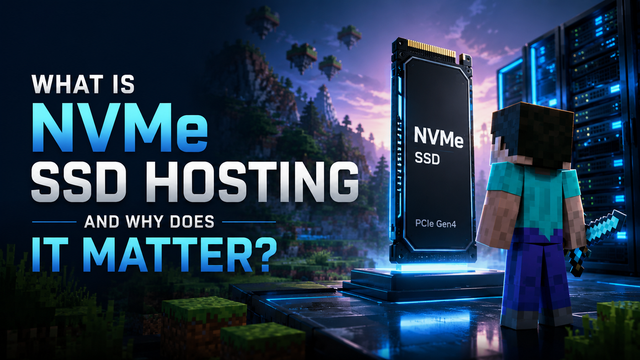
Whether you are launching enterprise databases or running real-time application clusters on a premium local platform like CloudLaag, understanding what NVMe SSD hosting brings to the table is vital to maximizing hardware efficiency. Let us break down the technology behind this storage layer and why it matters for your setups.
To truly understand Non-Volatile Memory Express (NVMe), it helps to look at how solid-state drives (SSDs) have evolved.
Early generation SSDs utilized the SATA interface, which was originally engineered for ancient, spinning hard disk drives (HDDs). The SATA cable framework connects to the motherboard via a restrictive single lane pathway, operating on an older protocol called AHCI. Because AHCI was made for slow mechanical needles, it can only handle a single command queue with up to 32 commands at a time.
NVMe bypasses these old structural cables completely. Instead, it plugs directly into the motherboard via high-speed PCIe slots. This allows the storage drive to communicate with the CPU instantly. Architecturally, the modern protocol supports up to 64,000 individual command queues, with each queue capable of executing 64,000 commands concurrently.

| Performance Specification | Traditional SATA SSD | Enterprise NVMe SSD | | Interface Port | SATA Cable Architecture | Direct PCIe Mainboard Lane | | Read/Write Speeds | Maxes out around 500 to 550 MB/s | Ranges from 3,500 to 7,000+ MB/s | | Command Processing | Single Queue (32 commands max) | 64k Queues (64k commands per queue) | | Random IOPS Capacity | Typically under 100,000 IOPS | Up to 500,000+ IOPS | | System Latency | Moderate (AHCI software layer) | Ultra-Low (Direct hardware interface) |
Raw hardware speeds look great on spec sheets, but how do these metrics actually translate into real-world operational benefits for your hosted systems?
Modern web applications rely heavily on continuous database reads and writes. Every time a user logs in, loads a profile, or posts content, your server executes complex SQL queries. If your storage layer has high latency, these queries queue up, causing the front-end interface to hang. High-speed drives execute input/output operations per second (IOPS) effortlessly, serving up dynamic database tables instantly.
For dynamic multiplayer deployments, storage performance directly dictates game fluidness. When hosting a heavily modified Minecraft network, the server must continuously load and write world chunks as players traverse the map. SATA drives struggle to keep pace with rapid map exploration, dropping the server Ticks Per Second (TPS) and causing sudden rubber banding. Operating your game setup on high-speed NVMe infrastructure ensures that blocks render cleanly without taxing the processing cores.
Whether you are spinning up fresh container environments or restarting application nodes after an update, storage dictates the timeframe. Virtual machines run on ultra-fast storage pools boot up in a matter of seconds. Heavy software dependencies, node packages, and caching layers compile without structural delays.
Many generic hosting providers cut internal costs by utilizing cheaper SATA drives for their entry-level tiers, reserving fast arrays for expensive enterprise packages. This forced restriction creates performance bottlenecks for growing digital projects.
When you deploy your systems through the CloudLaag network, high-performance NVMe storage is treated as an absolute baseline standard across all tiers. Pairing these top-tier storage arrays with specialized VPS isolation ensures your applications receive unthrottled hardware execution.
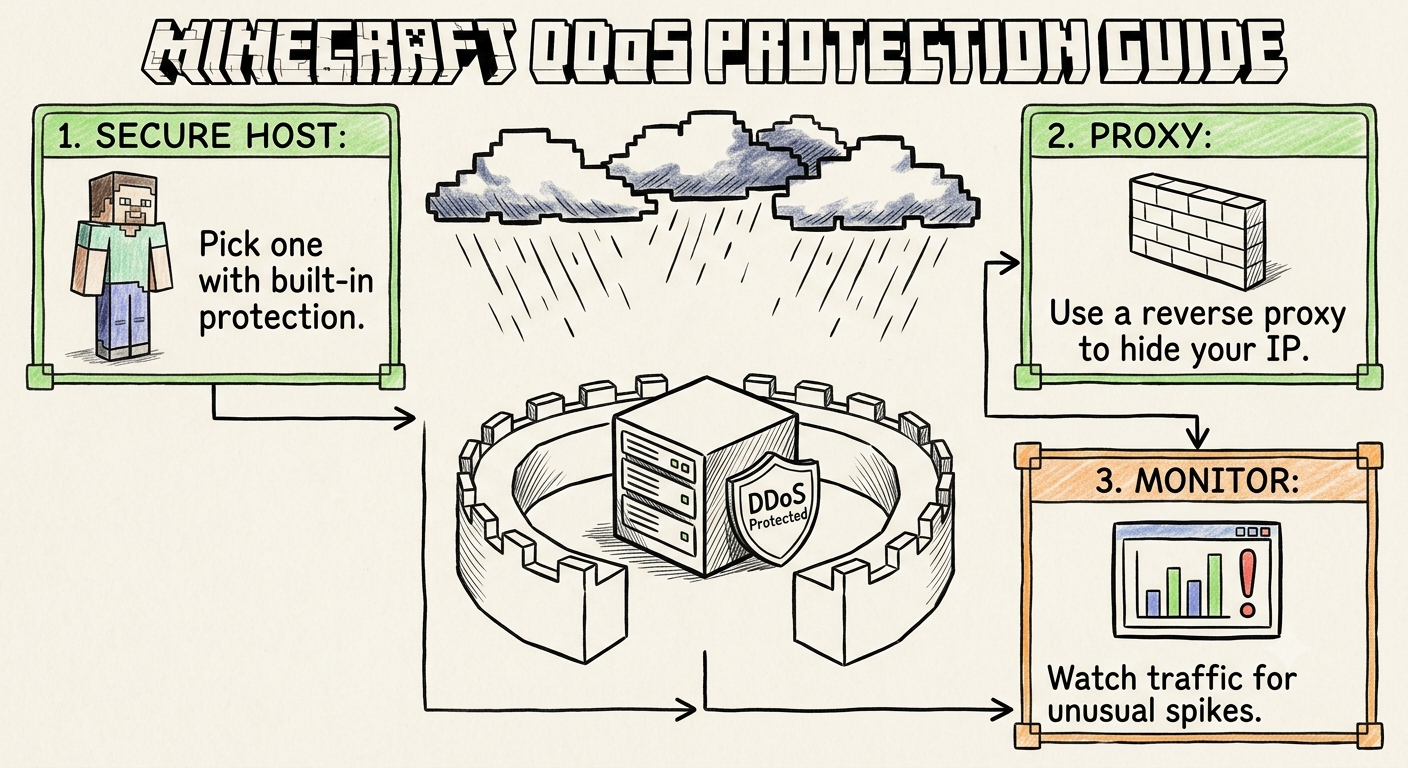
Furthermore, your environments remain fully shielded. While heavy read/write cycles are executing on the storage layer, CloudLaag's automated, Always-On DDoS Protection dynamically scrubs out malicious external traffic at the edge network level. This prevents malicious network floods from eating up your valuable CPU cycles, keeping your processing nodes and storage read lines completely open for legitimate users with ultra-low latency across India.
Storage architecture forms the literal bedrock of your server's technical responsiveness. Sticking with legacy SATA standard drives chokes your modern multi-core processors, turning high-capacity setups into slow, lagging environments. Investing in modern, high-speed NVMe hosting through an optimized pipeline managed by CloudLaag ensures your databases execute cleanly, your multiplayer hubs remain fluid, and your cloud instances deliver the snappy, low-latency performance required to scale successfully in 2026.
Recommended for this article